AI Use Cases in Real Estate Development and Land Subdivision
AI use cases in real estate development and land subdivision center on early screening: ranking parcels, generating site layouts and testing pro formas before spending on surveys. Tools such as TestFit and Autodesk Forma speed this up, but zoning, surveys and approvals still need licensed professionals to confirm every key fact.
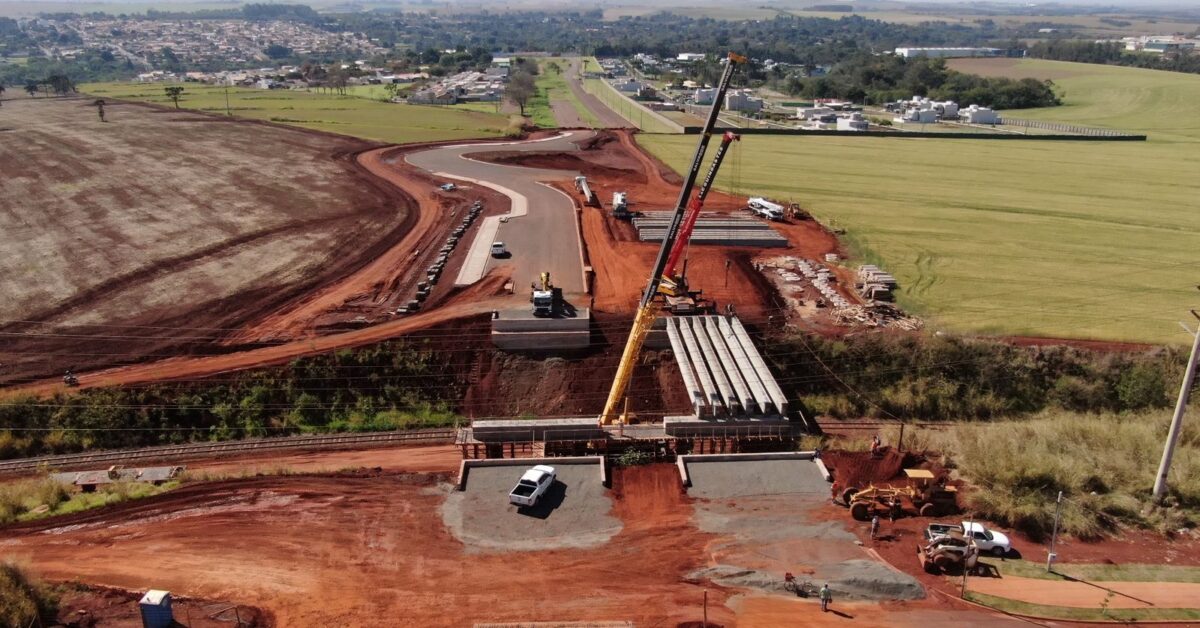
AI use cases in real estate development and land subdivision are mostly about speed in the early, cheap-to-change stage of a project. Before a developer spends money on surveys and legal work, software can screen parcels, test layouts against zoning rules and run a rough pro forma. This guide covers where AI genuinely helps, which tools exist, and which decisions still need a surveyor, planner and lawyer.
Key takeaways
- AI helps most in pre-development: finding parcels, testing site layouts and checking whether a deal pencils before real money is spent.
- TestFit generates thousands of layout options against setbacks, parking ratios and pro forma targets, and its own marketing claims 4 to 10 times faster site planning.
- Autodesk Forma leans toward environmental analysis such as sun and wind, while TestFit and Deepblocks lean toward feasibility and underwriting.
- For subdivision, AI can propose lot layouts, but zoning, access, utilities and plat approval remain human and legal work.
- Treat every AI output as a screening result. Verify zoning, survey data and costs with licensed professionals.
AI use cases in real estate development: where the time goes
A typical development deal starts with a long list of possible sites and a short list of numbers: land price, allowed density, build cost and expected sale or rent. Most deals die at this stage. The skill is killing weak ones quickly and cheaply.
That is where AI fits. It does not design the building or sign the plat. It shrinks the time between “interesting parcel” and “yes, call the owner” or “no, move on”. One industry write-up on land tools puts it plainly: AI pre-qualifies sites, and humans still close deals. A list of 500 parcels becomes 20 worth a phone call.
Six AI use cases in real estate development
1. Parcel search and ranking
Data platforms combine parcel boundaries, zoning, ownership and sales history. AI features rank parcels against your criteria, such as minimum acreage, zoning class or distance from a highway. You still confirm the zoning with the local planning office, because published map layers can lag behind recent rezonings.
2. Site layout and massing options
Feasibility tools take a parcel outline and generate building footprints, unit mixes and parking layouts. TestFit describes its engine as testing many configurations against setback rules, parking ratios, unit mix targets and pro forma thresholds at once. Instead of an architect drawing three options in a week, you can look at dozens in an afternoon.
3. Quick financial screening
Once a layout exists, the same tools estimate unit counts, building area and rough cost, then feed a pro forma. Metrics such as floor area ratio and yield on cost update as you change inputs. This is the step that tells you whether a land price is realistic.
4. Environmental and context analysis
Autodesk Forma is often used for analysis such as daylight, wind and noise on a proposed massing. One tool comparison notes that teams wanting both environmental analysis and yield modeling often pair Forma with a feasibility tool such as TestFit.
5. Zoning and code checks
Newer assistants read zoning codes and flag likely constraints. They are useful for a first pass, but zoning text has exceptions, overlays and local interpretations. Never rely on a chatbot summary for a purchase decision.
6. Documents and due diligence
General AI assistants can summarize title reports, environmental reports and consultant memos into plain language and list open questions. That saves reading time. It does not replace the lawyer or the environmental consultant who signs off.
Tool types at a glance
| Job | Tool type | Examples | What you still need |
|---|---|---|---|
| Find and rank parcels | Land and parcel data platforms | Regrid, Reonomy, PropStream (varies by market) | Zoning confirmed with the local authority |
| Generate site layouts | Generative feasibility software | TestFit, Hypar, Archistar | Architect and civil engineer review |
| Test sun, wind and context | Environmental analysis | Autodesk Forma | Specialist studies for approval |
| Check zoning text | AI assistants and code tools | ChatGPT, Claude, Gemini, local code tools | Planner or land-use attorney confirmation |
| Summarize reports | General AI assistants | ChatGPT, Claude, Copilot | Professional sign-off |
Availability and coverage differ by country and state. Check that a tool supports the codes of the area you work in before paying for it.
AI for land subdivision
Land subdivision means dividing a larger parcel into lots, with roads, drainage and utilities to serve them. It is a rules-heavy process: minimum lot sizes, frontage, access width, density limits and approvals from the local authority.
AI can help in three practical ways. First, it can generate several lot layouts that respect your minimum lot size and road standards, so you can compare yields. Second, it can estimate how many lots a parcel might support, which feeds the land offer. Third, it can model infrastructure length, which drives cost, because longer roads and pipes eat margin quickly.
What it cannot do is promise approval. A tool that shows twenty lots has not checked soil tests, floodplain limits, easements or what the planning board will accept. Treat the count as a hypothesis. A land surveyor and civil engineer turn it into a plan the authority can approve.
A simple subdivision screening workflow
- List your rules: minimum lot size, frontage, road width and open space share.
- Upload or draw the parcel boundary in a feasibility tool and set those rules.
- Generate several layouts and note lot count and road length for each.
- Run each through a basic land residual: expected lot price, minus development cost, minus margin, equals what you can pay for the land.
- Call the planning office with your best layout before you make an offer.
- Hire a surveyor and engineer only for the sites that survive.
Risks and limits
- Bad inputs. A wrong setback or outdated zoning layer produces a confident, wrong layout.
- False precision. Costs and sale prices are estimates. Small input changes can swing a deal from profit to loss.
- Local rules. Tools trained mostly on one market can miss another country’s standards.
- Data privacy. Do not paste confidential seller details or contract terms into free consumer tools.
- Overreliance. A neat layout can make a deal feel safer than it is. Soil, access and neighbors often decide the outcome.
How to start without a big budget
Many feasibility platforms are quote-based and aimed at firms, so a small developer may start elsewhere. Use a general AI assistant to build a pro forma template and to summarize zoning documents. Use a free or low-cost GIS viewer for parcel data. Book a one-hour call with a local planner on your best site. Add paid feasibility software only when you review enough deals each month to justify it.
If you are also weighing resale values, see our guide to AI for real estate, and use the cap rate calculator to sanity-check income deals.
Frequently asked questions
What are the main AI use cases in real estate development?
The main uses are ranking parcels, generating site layouts, running quick pro formas, analyzing sun and wind, summarizing zoning documents and reading due diligence reports. They save time at the screening stage. Final decisions still depend on surveys, legal checks and professional sign-off.
Can AI subdivide land for me?
AI can propose lot layouts that respect your minimum lot size and road rules, and estimate how many lots a parcel might support. It cannot guarantee approval. A land surveyor, civil engineer and the local planning authority decide what is actually permitted and buildable.
Which AI tools are used for site feasibility?
TestFit is a well-known feasibility platform that tests layouts against zoning and pro forma inputs. Autodesk Forma is often used for environmental analysis such as daylight and wind. Others include Hypar and Deepblocks. Coverage varies by country, so check that a tool supports your local codes.
How accurate is AI zoning analysis?
It is useful for a first read but not reliable enough to buy land on. Zoning text includes overlays, exceptions and local interpretations that summaries can miss. Always confirm zoning in writing with the local planning office before making an offer.
Is AI feasibility software affordable for small developers?
Many platforms are aimed at firms and use quote-based pricing. Small developers can begin with a general AI assistant, a GIS viewer and a pro forma template, then add paid feasibility software once they review enough deals to justify the cost.
Does AI replace architects and surveyors in development?
No. AI speeds up early options, but permit drawings, structural design, boundary surveys and approvals require licensed professionals. Think of AI as a way to decide which sites deserve professional fees, not as a substitute for those professionals.
What are the biggest risks of using AI in land development?
The main risks are wrong inputs such as outdated zoning layers, false precision in cost and sale estimates, tools trained on other markets, and sharing confidential deal data with consumer tools. Verify every critical number with an independent source before committing money.
Final view on AI use cases in real estate development and land subdivision
The strongest AI use cases in real estate development and land subdivision sit at the start of a project: ranking parcels, generating layouts and screening the numbers. They save time and help you drop weak deals sooner. They do not replace surveys, legal review or local approvals. Use AI to decide where to spend your money, then use professionals to confirm every fact that the money depends on. More guides are in our AI tools for real estate hub.
This article is general information, not legal, planning or investment advice. Tool features and prices change; verify with each vendor and consult licensed professionals. See how we review AI tools.
Disclosure. Some links on this site are affiliate links; we may earn a commission at no cost to you, and it never changes a recommendation. This article is general information, not legal, financial, tax or professional advice, and AI tools can make mistakes, so check important output. Affiliate disclosure · Disclaimer